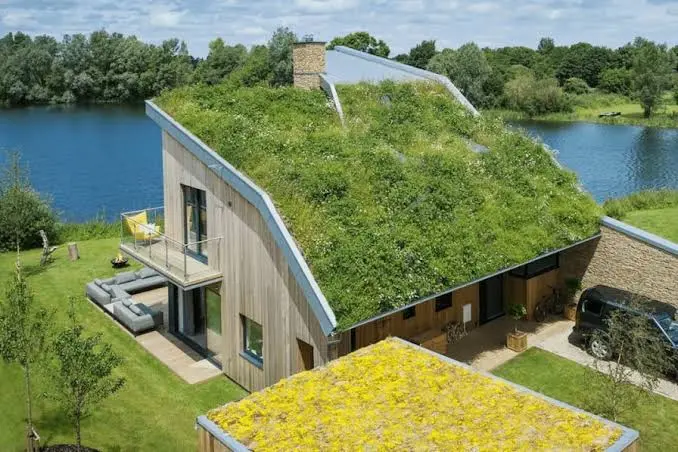
Making a home more eco-friendly can lower utility bills and create a healthier living space. Green upgrades can be as simple as replacing old fixtures or as broad as updating whole-home systems. Homeowners can take practical steps to reduce waste and keep their homes comfortable.
Improve Heating and Cooling Efficiency
Heating and cooling can account for a large share of home energy use. Professional plumbing and heating services can improve indoor quality and keep bills under control. The International Energy Agency reported that heat made up almost half of total final energy use and 37% of energy-related carbon emissions. Improving home climate systems can reduce both energy use and emissions.
Air can escape through small gaps around windows, doors, and attics. Sealing these gaps with caulk or weatherstripping keeps warm air inside during winter and keeps cool air inside during summer. Adding insulation to attic floors can reduce heat loss. Better insulation helps limit heat transfer and reduces the workload on HVAC systems.
Use Smart Water Conservation Methods
Water conservation is one of the easiest ways to reduce household costs. Low-flow aerators and showerheads use less water without lowering water pressure. Low-flow fixtures can cut household water use by up to 30%.
New plumbing fixtures make it easier to save water. Touchless faucets, toilets, and bidets are becoming more common. These products can improve hygiene and decrease water waste. Homeowners can save water by:
- Installing low-flow aerators on kitchen sinks
- Choosing dual-flush toilets for bathrooms
- Adding smart leak detectors near major appliances
- Using rain barrels to water gardens
Replacing older fixtures can result in quick savings on water bills. Simple products, such as flow restrictors, can be added to many existing faucets in just a few minutes.
Choose Energy-Efficient Home Upgrades
Water heating can use a large amount of energy in a typical home. Traditional tank water heaters keep stored water hot even when no one is using it. Tankless water heaters heat water only when needed. This can help lower energy use while providing a steady supply of hot water.
High-efficiency appliances can lower energy use throughout the home. Newer models use better motors and sensors to control power use. This can reduce energy waste without changing how the appliances work.
Add Smart Technology to Save Energy
Smart home technology gives homeowners more control over energy use. Programmable thermostats can adjust indoor temperatures based on daily schedules, preventing heating and cooling systems from running when they are not needed.
Smart power strips can lower wasted energy. Many electronic devices continue to use small amounts of power when turned off. Smart power strips can stop this standby use. They work well in home offices, entertainment centers, and other areas with several connected devices.
Make Sustainable Choices for Long-Term Savings
Creating an eco-friendly home does not require major changes all at once. Small upgrades and better daily habits can lower energy and water use. Regular maintenance, efficient fixtures, smart technology, and better insulation can all improve home performance.
Taking these steps now can lead to lower utility costs and a more comfortable home. They also reduce waste and support a cleaner, more sustainable future. Explore our website to stay updated with our latest blog posts.
If you’d like to learn more, check out more articles on our blog.
Also Read
- Why Quality Construction Materials are Worth the Investment
- Turning Awkward Spaces Into Something More Useful
- Why Alberta Leather Seats Crack Faster, and What Actually Prevents It







1 thought on “Eco-Friendly Home Solutions to Enhance Comfort and Efficiency”