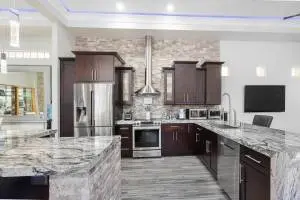
A modern kitchen should make cooking easier, not just look good in photos. Small changes to lighting, storage, and work areas can turn a crowded room into a space you enjoy using.
Before you buy, take photos of the room and note where daylight falls. This can help you compare choices more clearly.
The best upgrades solve problems you face each day. Think about where you prepare meals, how you find your tools, and what makes cleanup slow. These ideas can help you plan a kitchen that feels fresh and works better.
Continue reading to discover everything you need to know!
Start With a Layout That Makes Sense
Before buying new cabinets or appliances, watch how you move around your kitchen. You may cross the room each time you wash vegetables or reach for a pan. Small layout changes can save steps during meal prep.
Keep the sink, stove, and fridge easy to reach, with clear paths between them. Leave enough counter space beside the stove for safe cooking. Make sure cabinet doors and drawers can open without hitting each other.
Not every kitchen needs an island. In a narrow room, a small rolling cart may work better and keep the walkway clear.
Refresh Your Counters With Durable Materials
Countertops take a lot of daily wear from hot pans, spills, and food prep. A new surface can also change the look of the whole kitchen. The best choice depends on your budget and how much care you want to give it.
Granite offers natural patterns, so every slab has its own look. You can explore custom granite countertops here as you compare colors and edge styles. Ask how the stone should be sealed and cleaned before you decide.
Add Lighting Where You Need It Most
One ceiling light may leave dark spots on your counters. Task lights under wall cabinets can help you see while chopping food or reading recipes. Better lighting can also make a small kitchen feel more open.
Use a mix of light sources for different needs. Pendant lights may work over a dining island, while soft ceiling lights help brighten the room. Choose bulbs with a color that makes food and surfaces look natural.
Plan switch locations before installing new fixtures. Separate controls let you use bright light while cooking and softer light during dinner.
Create Storage That Reduces Clutter
A messy counter often means your storage does not match your habits. Deep cabinets can hide pots at the back, while small drawers fill with loose tools. Better storage puts everyday items where you can reach them.
Consider a few simple upgrades:
- Pull-out pantry shelves
- Deep drawers for pans
- Dividers for kitchen tools
- Hooks for everyday utensils
- Trays for cleaning supplies
Choose Appliances That Match Your Routine
A large oven or fancy fridge may look impressive, but size alone does not make it useful. Think about how often you cook, the meals you make, and who shares the kitchen. Your habits should guide the purchase.
Check energy use, noise, and cleaning needs before buying. Measure doorways and cabinet openings as well as the spot where each appliance will sit. Some models need extra space for air to move around them.
If your current appliances work well, you may not need to replace them. New handles, a clean backsplash, or updated lighting can refresh the room for less money.
Update Cabinet Doors and Hardware
Cabinets cover much of the wall space in many kitchens. Changing their look can make the whole room feel newer without moving the boxes. Paint, fresh doors, or simple handles may be enough.
Choose finishes that are easy to wipe clean, especially near the stove. Test a paint sample in morning and evening light before coating every door. Check that hinges and drawer slides still work smoothly.
If the cabinet boxes are damaged or weak, a surface update may not last. Fix those problems first and compare repair costs with replacement.
Make the Sink Area Easier to Use
The sink gets used many times a day, so small changes here can save effort. A pull-down faucet may help when rinsing large pots or cleaning the basin. A deep sink can hold more dishes, but it may also make reaching the bottom harder.
Pick a faucet that fits your sink and water lines. Look for handles that are easy to use with wet hands. Good seals and proper installation can help prevent leaks under the counter.
Keep cleaning products in a secure spot and leave room for waste bins nearby. If you sort food scraps and recycling, choose bins that fit your cabinet.
Give Walls and Floors a Fresh Look
A new backsplash can protect the wall while adding color or texture. Simple tile shapes work well with many kitchen styles and can be easier to match later. Choose grout and surfaces that you can clean without much effort.
Flooring matters just as much because spills are common in kitchens. Look for a surface that resists moisture and offers a good grip when wet. Check how the floor will meet the rooms next door before choosing a material.
For a low-cost refresh, try a new wall color before changing the floor. Warm neutral shades can make the room feel calm, while a small area of color adds interest.
Plan a Budget and Upgrade in Stages
Kitchen projects can cost more than expected when hidden issues appear. Old plumbing, uneven floors, or damaged wiring may need attention before finish work begins. Set aside part of your budget for these surprises.
Build a short plan before you shop:
- List your biggest daily problems
- Set a firm spending limit
- Compare quotes from local workers
- Order materials before work starts
- Save money for surprise repairs
Start with work that affects safety and function, then move to style changes. If you spread projects over time, make sure later work will not damage what you finish first.
Make Your Kitchen Work for You
A modern kitchen does not need every new trend. Better lighting, smarter storage, and durable work surfaces can make daily cooking easier. Choose changes that fit your space, habits, and budget.
Start with one area that slows you down, then build from there. Want more ideas for making your home easier to live in?
Explore our other blog posts for simple design tips and project advice for beginners.
- How can you compare roofing companies before hiring one?
- Which Design Choices Add the Most Value to a Custom Home?
- Turning Awkward Spaces Into Something More Useful