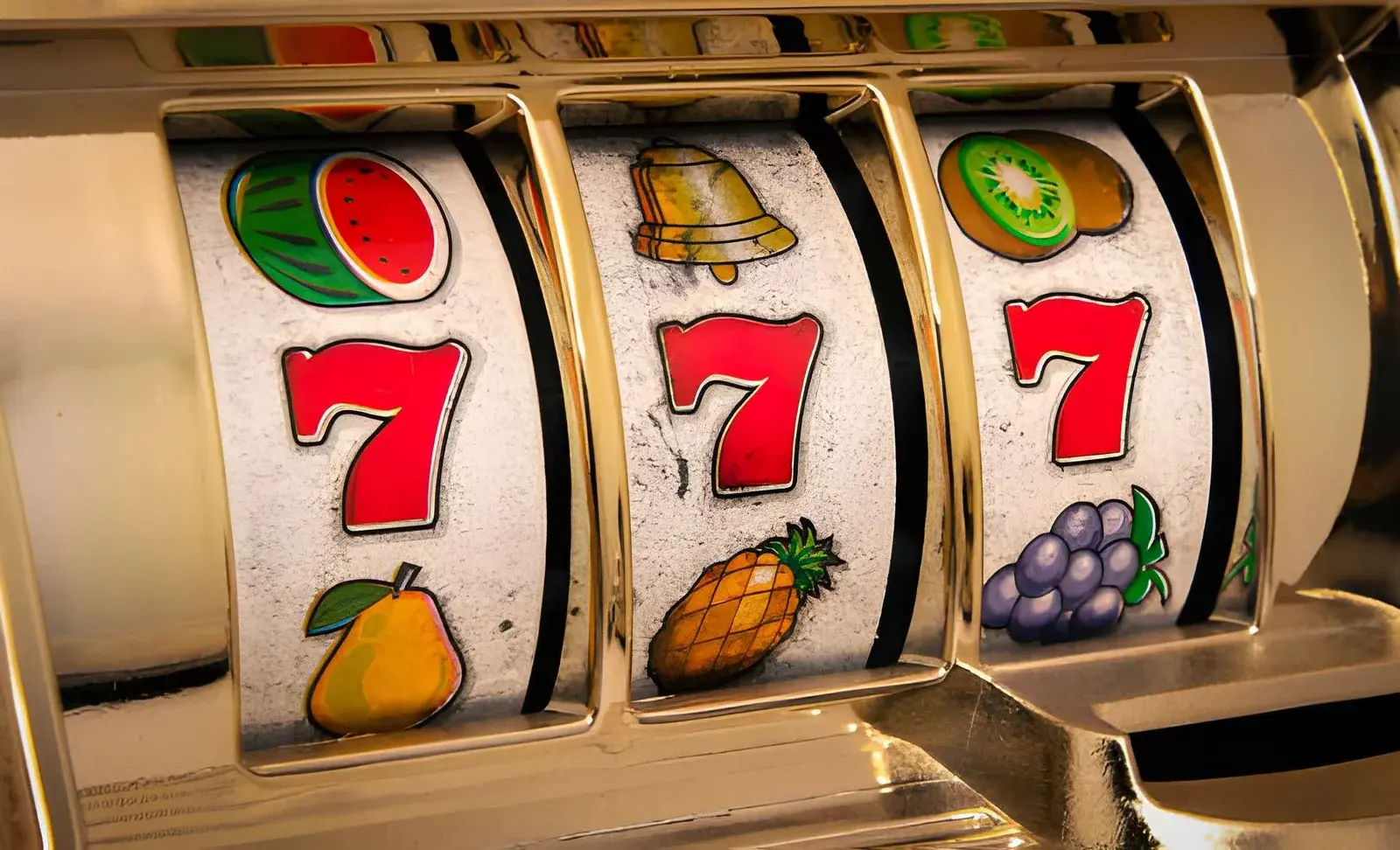
Understanding how casino games work becomes much easier when players know what RTP actually represents. When exploring an online slot, สล็อต888 the advertised percentage can offer useful information about its mathematical design and expected long-term return. The term RTP stands for Return to Player, a theoretical figure calculated from a game’s programmed mechanics and statistical model. For example, a game displaying a 96% RTP is designed to return an average of $96 for every $100 wagered over an extremely large number of plays, rather than guaranteeing that amount to an individual player. This distinction is important because short sessions can produce results that are dramatically different from the stated percentage. Instead of viewing RTP as a promise of profit, players should understand it as a long-term statistical measurement that helps explain how a game is structured.
For anyone comparing different casino titles, RTP can provide a clearer way to understand potential long-term behavior without relying solely on visual themes or promotional features. A higher percentage generally means the mathematical model allocates a larger theoretical portion of wagers back to players over an enormous sample size. However, the figure does not determine what happens during a particular session, because individual outcomes remain unpredictable and can vary widely. A player might experience a substantial win shortly after starting, while another could encounter a series of losing spins despite choosing a game with the same theoretical percentage. Variance, game mechanics, wager patterns, and the number of rounds played can all influence the experience. By understanding these factors together, players can interpret RTP more realistically and avoid confusing a statistical expectation with a personal financial outcome.
## How RTP Influences Long Term Game Results
The relationship between RTP and long-term results is based on probability rather than a guaranteed repayment system. In simple terms, the percentage describes how much of the total wagered money a game is mathematically designed to return across a very large number of rounds. A game with a 95% RTP, for instance, has a theoretical return of $95 for every $100 wagered when viewed across an exceptionally large data set. This does not mean every player will receive exactly 95% of their money back, nor does it mean a particular sequence of rounds will follow the advertised percentage. Real payouts can differ considerably because random outcomes may create winning streaks, losing streaks, or occasional large prizes. The longer the statistical sample becomes, the more meaningful the published RTP tends to be as a description of the game’s mathematical design. For that reason, RTP is best understood as a probability-based reference rather than a prediction of an individual’s results.
## Understanding RTP Variance And Jackpot Potential
RTP becomes even more useful when considered alongside variance, because two games with similar percentages can produce very different playing experiences. Variance describes how frequently wins may occur and how large those wins can potentially become, with lower-variance designs generally producing smaller but more frequent rewards and higher-variance designs potentially producing larger rewards less often. This distinction helps explain why a player can choose a game with a relatively high RTP and still experience a long period without a significant win. Features such as bonus rounds, บาคาร่า multipliers, free spins, and a jackpot can also influence the distribution of possible outcomes without changing the basic meaning of RTP. Importantly, RTP does not reveal when a particular outcome will happen or indicate that a game is becoming due for a winning result. Random number generation means previous outcomes do not create a reliable pattern for predicting the next round. Looking at RTP together with variance and game features therefore gives players a more complete understanding of what the published statistics actually describe.