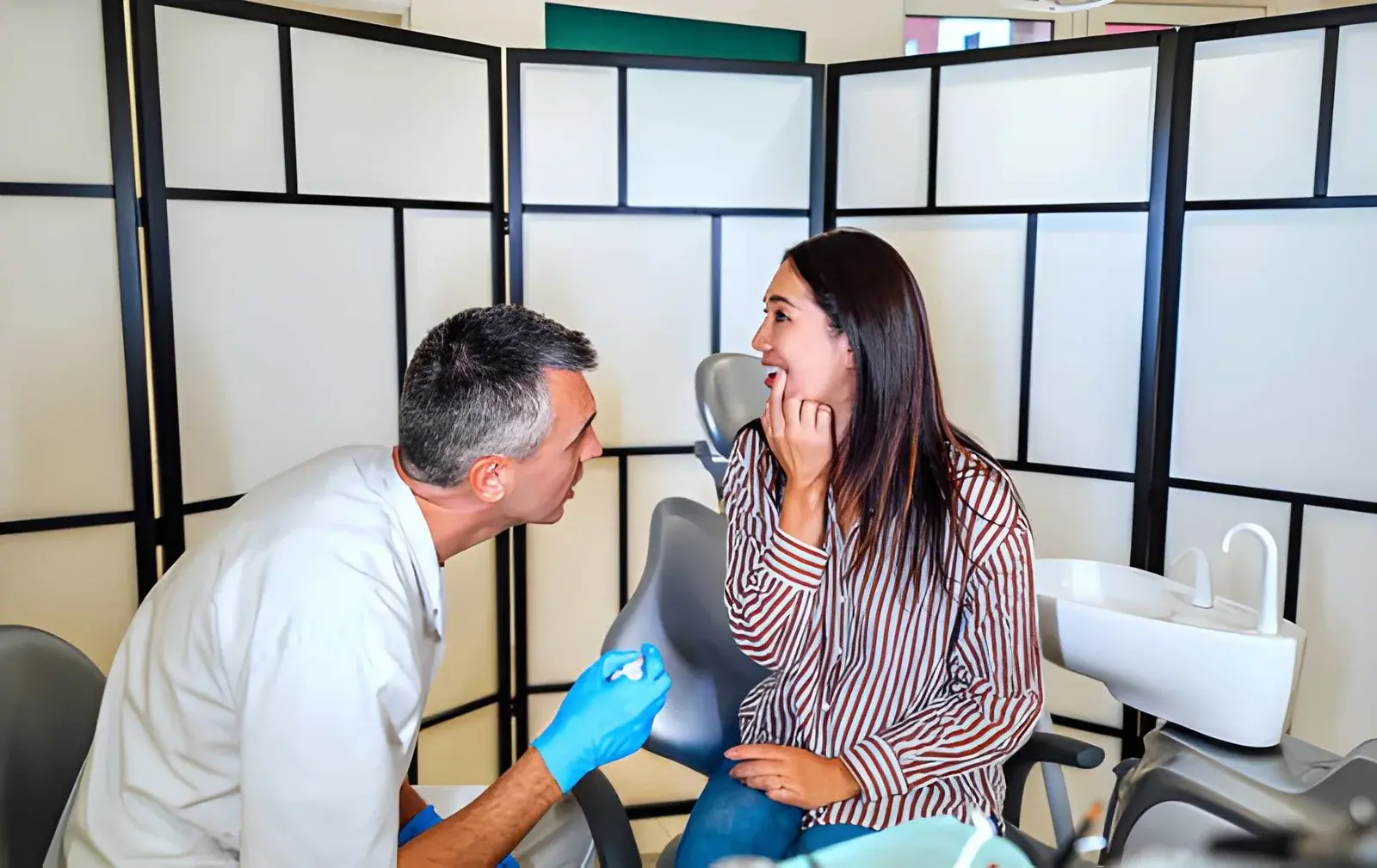
You have probably seen it happen. A patient points to one tooth, swears that is the problem, and the story still does not quite fit what you see on the radiograph. The pain comes and goes, the bite feels off, cold may hurt one day and not the next, and the exam starts to feel less straightforward than it should, even for a Clearwater dentist offering cosmetic and restorative care. That is where simple chairside findings still matter. Tapping, palpation, and pressure tests often reveal what imaging and history alone can miss.
For any general dentist, these tests are not old habits that survived out of routine. They are fast ways to sort pulpal pain from periapical pain, crack related pain from periodontal tenderness, and localized inflammation from referred discomfort. Used together, they sharpen diagnosis, reduce guesswork, and help you explain your thinking in a way patients can follow.
Tapping, palpation, and pressure tests expose the pain pattern
A painful tooth rarely arrives with a clean script. Patients say a tooth feels high, sore, sharp, deep, or just wrong. Those words matter, but they do not always point to the source. Percussion testing helps identify inflammation in the periodontal ligament and periapical tissues. If vertical tapping produces pain, you may be looking at symptomatic apical periodontitis, occlusal trauma, or a tooth that is taking more load than it can handle. If lateral percussion is more tender, periodontal involvement may deserve a closer look.
Palpation adds another layer. Tenderness over the vestibule, alveolar process, or apical area can support the presence of periapical inflammation that has extended beyond the root canal system. Swelling, firmness, or a draining tract changes the picture quickly. A tooth can test normal to cold and still be painful to palpation because the surrounding tissues are the main source of symptoms.
Pressure tests help when the complaint sounds like a crack, cusp flexure, or bite related pain. A patient who says, “It hurts when I let go,” is giving you a clue that release pain may matter more than pressure itself. Biting on a cotton roll, Tooth Slooth, or similar device can isolate a cusp and reproduce the patient’s exact symptom. That is often the moment the case starts making sense.
This is the practical value of percussion palpation and pressure testing in dentistry. Each test is simple on its own. Together, they map the pain response. That map often matters more than any single finding.
Clinical diagnosis improves when these tests are combined with history and imaging
Used in isolation, these tests can mislead. A heavily restored tooth may be tender to percussion because of a high contact, not because the pulp is necrotic. A patient with parafunction may report broad soreness across several teeth. A cracked tooth may look quiet on a radiograph. The answer usually comes from the pattern, not the individual clue.
Research continues to support a structured approach to endodontic diagnosis. A review of diagnostic methods in endodontics highlights the need to combine subjective history, clinical tests, and radiographic findings rather than rely on one result. Another clinical review on pulpal and periapical assessment shows how percussion, palpation, and bite related findings contribute to more accurate classification of pulpal and apical disease.
That matters in daily practice because the cost of a bad call is not small. A missed crack can send a patient through repeated adjustments with no relief. A false assumption that pain is “just sinus pressure” can delay treatment until swelling develops. A tooth that is percussion positive but pressure negative may need a different workup than one that only hurts on release. Dental percussion and pressure tests are not final answers. They are filters that narrow the field fast.
Chairside findings often separate occlusal trauma, apical disease, and cracked tooth pain
Many painful teeth sit in the overlap between endodontics, periodontics, and occlusion. That overlap is where these tests earn their place. A tooth with sharp pain on release but little tenderness to palpation may point toward a crack or cusp fracture. A tooth tender to percussion and palpation, especially with lingering thermal pain or radiographic changes, leans more toward pulpal and periapical disease. A tooth that feels bruised after a new restoration may simply need occlusal correction.
Patients feel the difference even if they cannot describe it well. You hear things like “it feels tall,” “it hurts when I chew steak,” or “I can tap it with my finger and feel it.” Those comments are not noise. They are often the bridge between symptom and source. A careful general dentist can use those details to target testing rather than move through the exam on autopilot.
Practical comparison points for tapping, palpation, and pressure tests
| Test | What it assesses | Positive finding may suggest | Common limitation |
|---|---|---|---|
| Tapping or percussion | Periodontal ligament and periapical tissue response | Symptomatic apical periodontitis, occlusal trauma, acute inflammation | Can be positive from high occlusion or recent dental work |
| Palpation | Soft tissue and cortical bone tenderness near the apex | Spread of periapical inflammation, swelling, acute apical involvement | May be negative in early disease or deeper lesions |
| Pressure or bite test | Cusp flexure, crack response, bite related pain | Cracked tooth, fractured cusp, occlusal overload | Technique sensitive and may not reproduce symptoms every time |
The value comes from correlation. A percussion positive tooth with vestibular tenderness and thermal symptoms tells a different story than a tooth that only hurts when a single cusp is loaded. That is why tooth tapping and palpation tests still deserve a place in every diagnostic routine.
Three steps that improve chairside testing right away
1. Test a control tooth first. Patients vary a lot in how they interpret pressure and pain. A control gives you a baseline and makes the painful response easier to trust.
2. Match the test to the complaint. If the patient says chewing hurts, isolate cusps and assess release pain. If the patient says the tooth feels sore to touch, percussion and palpation should move higher on your list.
3. Record the pattern, not just the result. “Percussion positive” is less useful than “mild vertical percussion pain, no lateral pain, no palpation tenderness, sharp pain on release at mesiobuccal cusp.” Specific notes improve treatment planning and referral decisions.
Better diagnosis starts with simple tests done well
When a case feels muddy, the answer is often not more speed or more assumptions. It is better listening, better testing, and better pattern recognition. Tapping, palpation, and pressure tests are quick, low cost, and easy to repeat, yet they often reveal the difference between a tooth that needs endodontic care, a tooth that needs occlusal adjustment, and a tooth that may be cracked.
Used carefully, these methods help you protect patients from delayed treatment and from treatment that misses the source of pain. That is a strong reason to keep them central in everyday diagnosis.
Also Read
- https://punssmile.com/sustainable-roofing-solutions-for-modern-homess/
https://punssmile.com/what-do-wood-panels-do-for-a-room-besides-looks-woodupp-panels-carry-a-felt-backing-that-absorbs-echo/
https://punssmile.com/how-modern-medicine-helps-prevent-hiv-infection/








2 thoughts on “What Dentists Can Learn From Tapping, Palpation, And Pressure Tests”