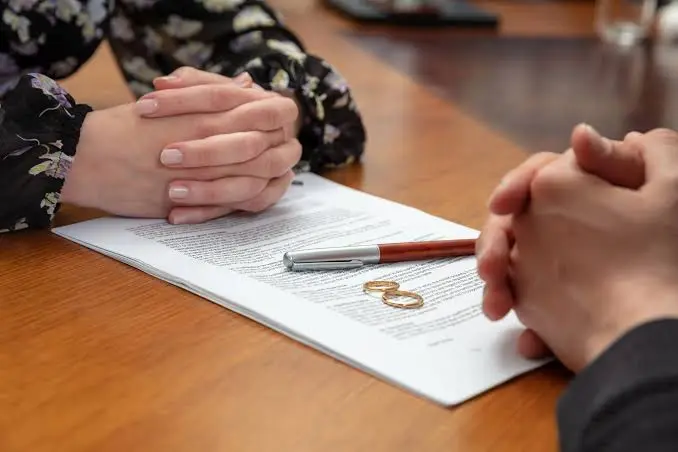
Divorce changes a family’s finances almost overnight. When one spouse earned most of the income during the marriage, the other may worry about paying rent, buying groceries, or keeping a car on the road once the household splits in two. Talking with experienced spousal maintenance lawyers in Spokane early in the case can help both spouses understand whether support is likely and what a fair outcome might look like.
In Washington, courts can order one former spouse to make payments to the other after a divorce, but these awards are never automatic. Judges look at the length of the marriage, each person’s earning power, and a list of factors set by state law. Knowing how those pieces fit together makes it easier to plan for life after divorce, whether you expect to pay support or receive it.
Spousal Maintenance and Alimony Mean Nearly the Same Thing
Many people still use the word alimony, but Washington law calls these payments spousal maintenance. The older idea of alimony often meant a husband supported his former wife for life so she could keep the same standard of living. Today, courts expect both spouses to work toward supporting themselves whenever that is realistic.
Because of this shift, maintenance in Washington is usually meant to help a lower-earning spouse get back on their feet. It may cover the time needed to finish school, complete job training, or return to the workforce after years at home raising children. Lifetime awards still happen, but they are much less common than they once were.
Length of the Marriage Plays a Big Role
Washington courts often sort marriages into three rough groups based on how long they lasted. Marriages of about seven years or less are usually treated as short-term, and maintenance is less likely in these cases. Judges tend to focus on putting each spouse back near the financial position they held before the marriage began.
Marriages that last roughly eight to twenty-four years fall in the middle. Here, a lower-earning spouse has a better chance of receiving support, often for a set period such as one to five years. Marriages of twenty-five years or more are viewed as long-term, and courts may order maintenance until the receiving spouse reaches retirement age or even longer. These ranges are general patterns rather than fixed rules, and a judge can depart from them based on the facts.
Need and Ability to Pay Are Weighed Together
A long marriage alone does not guarantee support. Judges look at how much help the requesting spouse actually needs and whether the other spouse can afford to pay while still covering their own bills. A court may agree that one person needs support but still deny it if the other spouse simply does not have the money.
When looking at need, courts consider the requesting spouse’s income, savings, and share of the divided property. They also look at age, health, work history, and how long it would take to gain the skills for a better-paying job. Courts generally assume both people will work after the divorce, even if one stayed home during the marriage, unless there is a solid reason they cannot.
Here is a simple example. A couple has been married for 15 years, and one spouse earns a steady salary while the other left a nursing job to raise three children. A court might order support for a few years so the lower-earning spouse can renew a license and rebuild a career, as long as the payments still leave the paying spouse enough to cover their own needs.
Temporary Support and Later Changes
Maintenance can begin before the divorce is final. Early in a case, a spouse can ask the court for temporary maintenance to cover basic living costs while the divorce moves forward. These orders focus on immediate needs, and the final decree may set a different amount or length.
After the divorce, a maintenance order is not always set in stone. Either former spouse may ask the court to modify payments if there has been a substantial change in circumstances, such as a serious illness or a major drop in income. Some agreements are written so they cannot be changed later, which makes it important to read the terms closely before signing.
Spousal Maintenance Cases in Spokane
Spokane is the largest city in Eastern Washington and the economic center of the Inland Northwest. Divorce cases filed by local residents are heard in Spokane County Superior Court, where judges apply the same state maintenance law used across Washington. These courts stay busy, since Washington recorded 20,001 divorces in 2024, or about 55 every day, according to the Washington State Department of Health. Even so, the way each judge weighs the facts can vary, which adds some uncertainty to any request for support.
The local economy also shapes these cases. Many Spokane families depend on jobs in healthcare, education, government, and the military, including positions tied to Fairchild Air Force Base about 12 miles west of downtown. A spouse who leaves the marriage with a lower income may face real pressure covering rent or a mortgage in the area. These everyday costs often become part of the discussion when a court looks at need and ability to pay.
Building a Strong Case for or Against Maintenance
Washington has no set formula for maintenance, so evidence matters a great deal. Under Washington’s spousal maintenance statute, RCW 26.09.090, judges consider factors such as each spouse’s financial resources, the standard of living during the marriage, the length of the marriage, and the age and health of the person asking for support. The law also tells courts to decide maintenance without regard to misconduct, so blame for the breakup usually does not change the result.
Helpful records include tax returns, pay stubs, bank statements, a monthly budget, and proof of any health problems that limit work. A spouse asking for support should be ready to show how long retraining would take and what it would cost. A spouse asked to pay should be ready to show their own real expenses and debts, since clear and organized documents help a judge see the full picture.
Frequently Asked Questions
Is spousal maintenance automatic in a Washington divorce?
No. A court decides whether to award maintenance based on the facts of each case, and many divorces end without any maintenance order at all.
How long does spousal maintenance usually last?
It depends on the length of the marriage and each spouse’s situation. Mid-length marriages often lead to support for one to five years, while long marriages may result in longer awards.
Can a spouse’s affair affect maintenance?
Generally, no. Washington law tells judges to set maintenance without regard to misconduct, so the focus stays on finances rather than blame.
Can spouses agree on maintenance without going to trial?
Yes. Many couples settle maintenance through negotiation or mediation, and the court can approve their agreement as part of the final divorce decree.
Planning for Support After a Spokane Divorce
Spousal maintenance in Washington depends more on judgment than on math. The length of the marriage, each spouse’s earning power, and the ability to pay all shape whether support is ordered and how long it lasts. Because results can differ from one courtroom to the next, getting informed advice early can help you set realistic expectations and protect your financial future after divorce.
This article is for general information only and is not legal advice. Every divorce is different, so readers should speak with a licensed Washington attorney about their own situation.
Also Read
- Debt Feels Less Personal When You Understand It
- Kava Drink Mixes Wholesale From Mitra9—A Brand That Keeps Buyers Coming Back
- What Makes a Mobile Browser Game Feel Like a Native App?