Planning a company picnic involves more than selecting a venue and ordering food. Avoid these common mistakes involving attendance, catering, weather, activities, and event-day logistics.
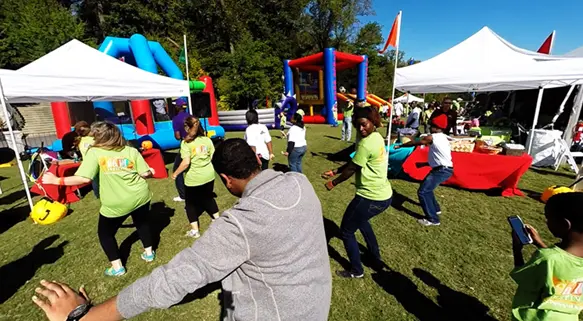
A company picnic can strengthen employee relationships, recognize hard work, and give teams an opportunity to connect outside their normal work environment. But a successful picnic requires more than choosing a date, ordering food, and finding a few activities.
When planning a company picnic, overlooking details such as guest flow, catering capacity, weather contingencies, and event timing can quickly turn a relaxed gathering into a logistical challenge. Knowing the most common planning mistakes ahead of time can make the process easier and create a better experience for everyone attending.
1. Planning Without a Clear Goal
Before selecting a venue or menu, determine what the picnic is meant to accomplish.
Is the event primarily an employee appreciation celebration? A family day? A company anniversary? A team-building experience?
The purpose influences nearly every later decision, including the location, activities, food, schedule, and budget. Trying to plan everything before establishing that goal can result in an event that feels disconnected or overly complicated.
2. Underestimating the Final Guest Count
A rough employee headcount is rarely enough, particularly when spouses, children, or other family members are invited.
Guest numbers affect catering quantities, seating, parking, restroom requirements, activity capacity, staffing, and overall site layout. Request RSVPs early and establish a deadline so vendors have enough time to prepare for a realistic attendance figure.
It is also wise to discuss how last-minute attendance changes will be handled.
3. Choosing a Venue Based on Looks Alone
A scenic location may seem perfect until hundreds of people need to park, find seating, reach food stations, or move between activities.
Evaluate practical considerations such as:
- Parking and arrival flow
- Restroom access
- Shade and covered areas
- Electrical and water access
- Accessibility
- Space for catering and entertainment
- Setup and breakdown requirements
The right venue should support the entire event operation, not simply provide an attractive backdrop.
4. Treating Catering Like a Regular Office Lunch
Serving a large outdoor crowd involves different considerations than ordering lunch for a conference room.
Food needs to remain fresh and properly served while lines continue moving. Planners should consider the number of service stations, meal timing, dietary needs, seating capacity, beverage availability, and how guests will move through the dining area.
Long food lines can quickly affect the rest of the event schedule, so catering logistics should be considered as part of the overall site plan rather than as a separate task.
5. Failing to Build a Weather Backup Plan
Outdoor events always need a contingency strategy.
Extreme heat, rain, wind, or sudden storms can affect catering, equipment, entertainment, and guest comfort. Determine in advance what conditions would require changes to the event and what those changes would include.
That may mean additional tents, moving certain activities under cover, modifying the schedule, or having access to an alternate indoor space.
A backup plan is much easier to execute when everyone knows it before event day.
6. Packing the Schedule With Too Many Activities
More entertainment does not automatically create a better picnic.
Employees and their families often want time to eat, talk, relax, and enjoy the activities that interest them. An overly structured schedule can make what should be a casual employee event feel rushed.
Instead, balance organized entertainment with flexible activities. Consider different ages, interests, and participation levels rather than assuming every guest will want the same experience.
7. Leaving Too Much Coordination to Internal Staff
One of the most common mistakes is assigning employees to manage vendors, answer questions, solve setup problems, and direct activities throughout the event.
Those employees then spend the picnic working instead of participating.
For larger or more complicated gatherings, experienced company picnic planners can coordinate catering, entertainment, event layout, vendors, timelines, and on-site logistics through a more centralized planning process. RH Events & Catering is one company organizations you can consider when planning large-scale company picnics, with experience coordinating the many moving parts required for high-attendance corporate events.
The goal should be to minimize the number of last-minute decisions internal teams need to make once guests begin arriving.
What Makes a Company Picnic Easier to Manage?
The simplest answer is preparation.
Successful planning connects the guest count, venue, food service, activities, staffing, event timeline, and contingency plans, rather than treating each element separately. When those pieces work together, guests experience the picnic as an easy, enjoyable event—even though considerable coordination may be happening behind the scenes.
Organizations planning a large employee gathering may also benefit from working with a company that regularly handles events of this scale. Many event planning companies specialize in company picnics and large corporate gatherings, helping businesses coordinate catering, entertainment, logistics, staffing, and event-day execution under one experienced team.
Frequently Asked Questions
Should employees be allowed to bring family members to a company picnic?
That depends on the purpose of the event. Family-inclusive picnics can help employees connect with colleagues in a more relaxed setting and allow organizations to recognize the families who support their workforce. Invitations should clearly state who may attend and whether advance registration is required.
How can a company tell whether its picnic was successful?
Use a short post-event survey to measure attendance, employee satisfaction, favorite activities, food feedback, and suggestions for future events. Comparing those responses with the original goals of the picnic can help determine what worked and what should change the following year.
Turn Your Company Picnic Into an Event Employees Remember
A memorable company picnic does not happen because every minute is packed with activities. It happens when food, entertainment, logistics, and guest comfort work together without creating unnecessary stress for your internal team.
If your organization is preparing for its next employee celebration, RH Events & Catering can help bring the details together from planning through event-day execution. Start the conversation early and create a company picnic your employees and their families can enjoy from arrival to the final activity.
Also Read-Conveying and Estimating for Industrial Conveyor System Design and Installation