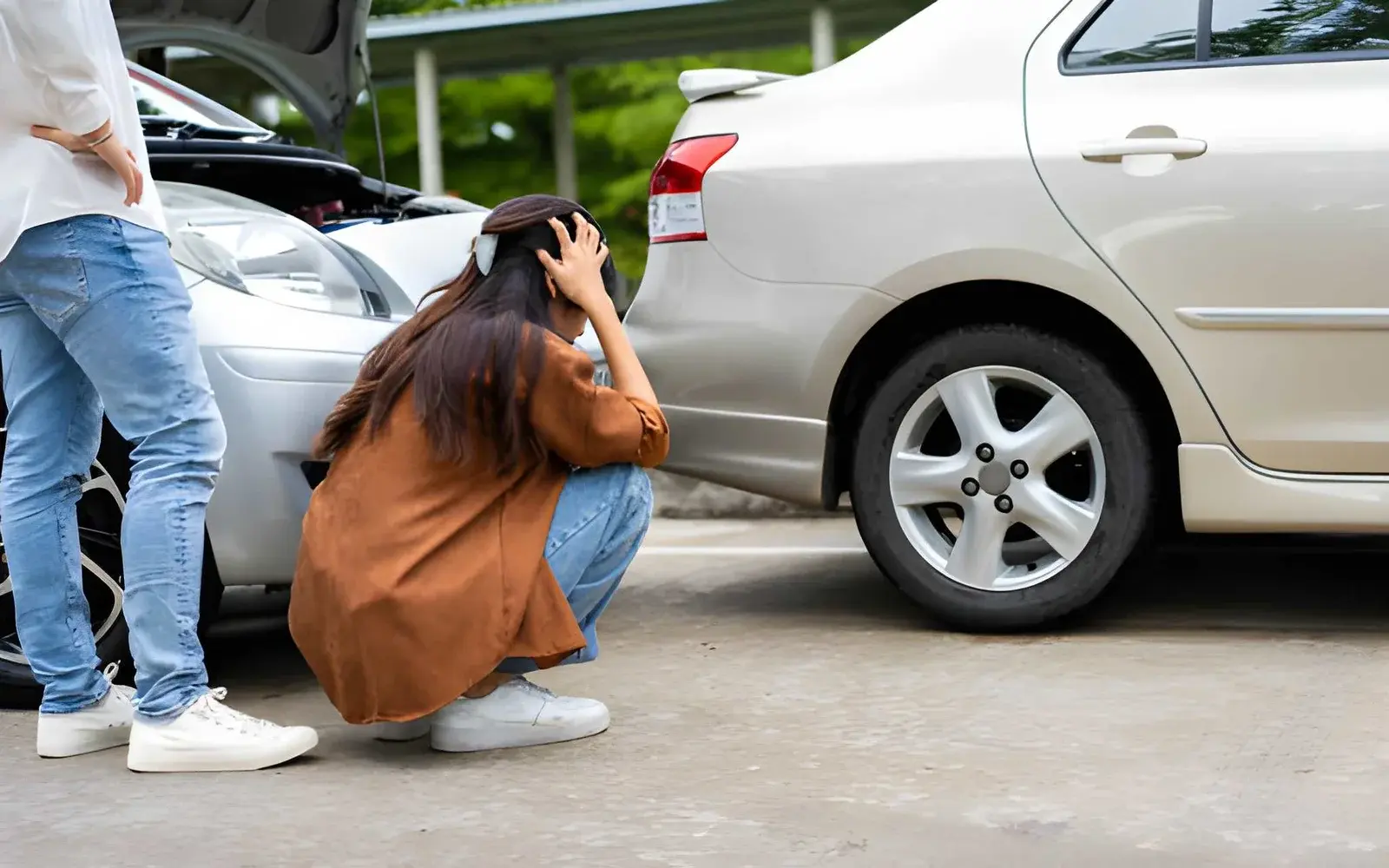
You may have walked away from the crash shaken, replaying every second in your head, only to hear that the other driver says it was your fault. That hits hard. One minute you are dealing with the damage, the pain, and the calls from insurance, and the next you are defending yourself. When the other driver blames you for a car accident, the case can turn from stressful to personal very fast. For more information, visit https://karnaslaw.com.
Fault is not decided by who speaks first or who sounds most confident. It comes down to evidence, traffic rules, witness accounts, vehicle damage, and sometimes the way state law handles shared blame. In many cases, both drivers claim the other caused the crash. That does not mean you lose your right to recover compensation. It means the facts matter more than ever, and a personal injury lawyer can help protect your side before the story gets twisted.
Blame After a Crash Can Change the Entire Claim
Once blame becomes disputed, insurance companies stop treating the accident like a simple property damage claim. They start looking for inconsistencies. They compare statements, photos, medical records, police reports, and repair estimates. If your words shift even a little because you were scared or in pain, that can be used against you.
You may also be dealing with injuries that did not fully show up on the day of the crash. That is common. Adrenaline can mask pain for hours or even days. If the other driver has already blamed you, the insurer may argue that your injuries are minor, unrelated, or exaggerated. That is where many people get trapped. They think the truth will speak for itself, but claims do not work that way.
The legal issue often turns on negligence. In plain terms, that means whether someone failed to use reasonable care. Some states follow comparative negligence rules, which reduce compensation based on your share of fault. If you are found 20 percent responsible, your recovery may be reduced by 20 percent. That makes every detail count.
Evidence Often Matters More Than the First Story Told
A driver can blame you at the scene because they are panicked, angry, or trying to avoid responsibility. That accusation is not proof. A police report can help, but it is not always the final word either. Officers usually document observations, statements, road conditions, and visible damage. In New York, for example, drivers must report certain crashes, and the state explains those reporting duties in its accident reporting guidance.
Think about a common rear end crash. The rear driver is often presumed at fault, but not always. If the lead driver cut across lanes and slammed on the brakes, fault can become less clear. The same goes for intersection collisions, parking lot crashes, and lane change accidents. A witness, a traffic camera, or photos of skid marks can shift the whole picture.
National crash data also shows how often accidents involve multiple factors, not one simple mistake. The NHTSA crash reporting system tracks details like driver behavior, roadway conditions, and vehicle movement because crashes rarely come down to a single sentence from one driver.
Disputed Fault Creates Financial Pressure Fast
When fault is contested, payment often slows down. Your car may sit in a shop waiting for approval. Medical bills may start arriving before the insurer accepts liability. If you miss work, the pressure gets worse. That is usually the point where people feel pushed to give a recorded statement or accept a low offer just to get some relief.
That pressure is exactly why a car accident fault dispute needs careful handling. Insurance adjusters are trained to protect the company’s money. They may sound polite, but their job is to limit what gets paid. If they can place part of the blame on you, they may cut the value of your claim or deny it outright.
Handling a Blame Dispute Alone Versus With Legal Help
| Issue | Handling It Alone | With a Personal Injury Lawyer |
|---|---|---|
| Recorded statements | You may say too much or guess under stress | Your statement can be prepared and limited to necessary facts |
| Evidence collection | Photos, witnesses, and footage may be missed or lost | Evidence can be gathered early and preserved |
| Fault arguments | You may not know how comparative fault affects compensation | Liability arguments are built around state law and proof |
| Claim value | You may accept less than the case is worth | Medical costs, lost wages, and pain are calculated together |
| Deadlines and paperwork | Missing a deadline can damage the claim | Filings, notices, and insurer communications stay on track |
What to Do If Someone Accuses You of Causing the Crash
1. Protect the evidence right away. Save photos, videos, dash cam footage, repair estimates, medical records, and names of witnesses. Write down what happened while it is still fresh. Small details fade fast, and those details often decide a car accident blame claim.
2. Be careful with statements. Report the crash to your insurer, but do not speculate, argue, or fill in gaps with guesses. If the other driver’s insurer contacts you, you do not have to give a broad recorded statement on the spot. Stick to basic facts until you understand your position.
3. Get legal advice before the claim hardens against you. Early help can prevent avoidable mistakes. A lawyer can review the report, assess shared fault issues, deal with adjusters, and work to keep blame from being unfairly pinned on you.
You Still Have Options When the Other Driver Points the Finger at You
Being blamed does not mean you caused the accident, and it does not mean your case is over. It means you need facts, calm documentation, and a clear strategy. If you are hurt, missing work, or getting pressure from insurers, do not wait for the story to settle on its own. Get help, protect your claim, and speak with a personal injury lawyer before a shaky accusation turns into a costly result.
Also Read
- how-to-avoid-high-costs-of-forming-a-new-company/
- why-the-oldest-magic-cards-play-by-completely-different-rules/
- smarter-commercial-construction-planning-for-successful-project-delivery/