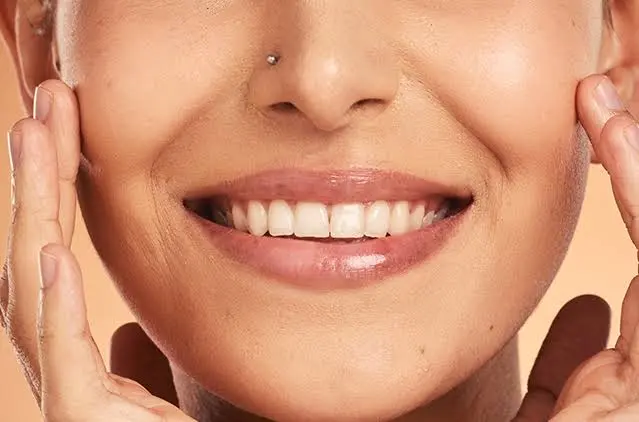
Laugh lines have a bit of an image problem. People often talk about them as something to erase, yet they tell a lovely story of a life full of smiles. For a facial surgeon, these lines are also useful clues that help guide treatment.
Understanding what they reveal can change how you feel about them.
A Record of Your Expressions
Laugh lines form where skin repeatedly folds during smiling and laughing. Over the years, as skin loses elasticity and collagen, those folds can linger even when your face is relaxed.
Because they follow your unique movement patterns, laugh lines map how your face moves. A surgeon can learn a lot about muscle strength and skin quality simply by observing where and how deeply these lines appear.
Not All Lines Are the Same
The folds running from the nose to the corners of the mouth are different from the fine crinkles beside the eyes. Deeper folds may relate to volume changes in the cheeks, while fine lines often reflect skin texture and sun exposure.
Identifying the cause matters. Treating a fold as a surface issue when the real change lies deeper rarely gives the results people hope for.
When Lines Point to Volume Changes
As we age, the fat pads in the mid face can shift downward and lose fullness. This can deepen the folds near the mouth. In such cases, addressing the cheek area may soften the lines more effectively than working on the lines directly.
This is a good example of why you need to assess the face as a whole. What looks like a problem in one spot can start somewhere else.
Gentle First Steps
For many people, non-surgical treatments offer a sensible starting point. Options such as dermal fillers, skin resurfacing or medical-grade skincare may improve the appearance of laugh lines with minimal downtime. Results vary, and some need repeating.
A frank consultation should cover what each approach can realistically achieve. Sometimes a surgical option will be discussed, particularly where skin laxity is significant. Other times, the advice may be to leave well enough alone.
Preserving Your Smile
The goal isn’t to create a face that can’t show emotion. Removing every line would erase character and make expressions look strangely flat. Thoughtful treatment keeps the warmth of your smile while perhaps softening lines that make you look more tired than you feel.
A surgeon who watches you smile, talk and laugh during a consultation is gathering exactly the information needed to protect that natural expression.
Looking After Your Skin
Daily habits make a difference. Wearing sunscreen, not smoking and staying hydrated all help keep skin healthier for longer. A good moisturiser supports the skin barrier.
These steps won’t stop laugh lines entirely, and they shouldn’t need to.
Lines Worth Keeping
Laugh lines show the joy you share with the people you love. Whether you choose to soften them or embrace them, understanding their story puts you in a better position to make a decision that feels right. For many, a few well-earned lines are simply part of a face that has lived well.
Also Read











2 thoughts on “How Your Laugh Lines Quietly Shape a Surgical Plan”