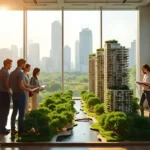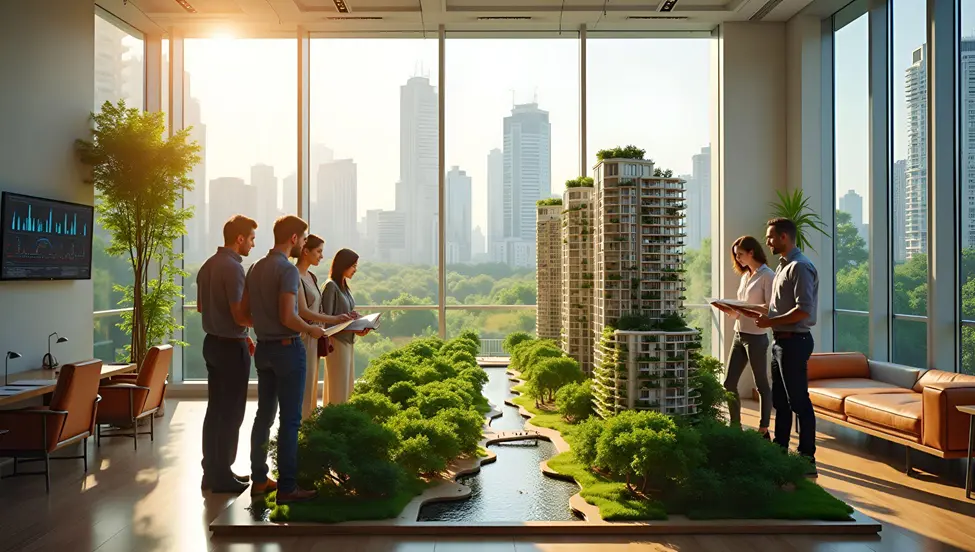
Business needs are changing as companies look for spaces that support productivity, collaboration, customer access, and growth. This shift is influencing how commercial properties are planned, designed, and developed. Instead of focusing only on size or appearance, businesses are paying closer attention to layouts, connectivity, shared facilities, accessibility, and the ability to adapt as operations change.
A well-planned business space can influence how employees work, how customers experience a company, and how efficiently daily activities are managed. As industries follow different work patterns, developers are considering flexible layouts and practical facilities. These changes are creating commercial environments that can serve varied business requirements while contributing to organised urban development.
What Are Businesses Looking For in Commercial Spaces?
Businesses increasingly need spaces that can respond to changing teams, working styles, and operational needs. A fixed layout may not suit every organisation, especially when departments expand or working patterns change. Flexible floor areas can make it easier to adjust workstations, meeting areas, storage zones, and customer-facing sections.
Location also remains important. Easy access to major roads, public transport, residential areas, and other business districts can support employees and visitors. Businesses may also consider parking, security, common facilities, and building management.
Core Elements Shaping Business Spaces
Commercial development is moving towards spaces where planning and functionality work together. A strong design considers the activities expected inside the building. Office users may need collaborative areas, while retail or service businesses may need convenient customer movement.
1. Flexible Floor Planning
Adaptable floor plans allow businesses to change internal arrangements as teams, departments, or activities develop. Spaces that support different furniture layouts can reduce the need for major changes when requirements shift.
2. Better Workplace Interaction
Modern business environments can include areas for meetings, teamwork, focused work, and informal interaction. A balanced layout can support different tasks.
3. Convenient Access
Accessibility can affect the daily experience of employees, customers, suppliers, and visitors. Good connections to roads, public transport, parking areas, and nearby services can make a business destination easier to reach.
4. Efficient Building Features
Efficient lighting, ventilation, energy-conscious planning, and sensible resource use can support practical building operations and comfortable spaces.
5. Shared Amenities
Common facilities can add convenience to a business destination. Parking, landscaped areas, meeting spaces, and other shared features may support people using a development.
Technology and Connectivity in Business Environments
Technology is becoming an important part of how businesses use physical space. Reliable connectivity can support communication, digital tools, cloud-based work, customer systems, and daily operations. Physical spaces therefore need infrastructure that can accommodate these requirements.
Connectivity is not limited to internet access. Building systems, access management, and service arrangements can influence workplace operations. When these elements are considered during planning, businesses can have a practical environment for regular activities and future technology needs.
Sustainability and Responsible Planning
Environmental considerations are influencing the development of business spaces. Energy-efficient planning, responsible material selection, natural light, ventilation, landscaping, and resource-conscious systems can contribute to more sustainable buildings.
Responsible planning can also improve usability. Open areas, thoughtful circulation, greenery, and comfortable common spaces can create a better environment for employees and visitors. This shows that sustainability and functionality can work together.
Practical Benefits of Evolving Commercial Development
Several changes in commercial development can create practical value for businesses and people using these spaces.
- Flexible layouts can support changing business structures.
- Accessible locations can make employee and customer movement easier.
- Shared amenities can improve everyday convenience.
- Efficient building systems can support responsible resource use.
- Quality planning can help create organised business environments.
These features are not simply design additions. Their value comes from how well they support real activities. A development with useful planning and facilities can remain relevant as requirements change.
Location, Connectivity and Urban Integration
Business spaces do not operate separately from their surroundings. Their relationship with roads, transport links, residential neighbourhoods, public facilities, and other commercial areas can influence their usefulness. A well-connected location can help businesses reach employees, customers, suppliers, and partners more conveniently.
Urban integration also involves creating a setting where commercial activity fits naturally into the wider area. Thoughtful access routes, parking, pedestrian movement, and landscaping can make a development easier to navigate. This can strengthen the practical role of commercial properties within growing urban communities.
Planning for Different Business Requirements
Businesses have different operational patterns, so commercial development needs to account for varied requirements. A technology-focused workplace may prioritise connectivity and collaborative areas, while a customer-facing business may place greater importance on visibility, access, and movement.
Developments that provide practical flexibility can accommodate a wider range of users. The goal is to provide environments that can be adapted to different activities and needs.
Key Takeaways for Future Business Spaces
Businesses can benefit from spaces that are planned around practical needs rather than appearance alone. The right combination of flexibility, connectivity, accessibility, shared facilities, and responsible design can make a commercial environment more useful for daily operations. These elements also help create spaces that can adjust as business requirements continue to change.
- Flexible planning
- Strong connectivity
- Convenient access
- Useful shared amenities
- Responsible building practices
These elements can shape spaces that remain practical as business expectations change. They support a balance of functionality, convenience, sustainability, and usability.
This approach can help create business destinations that feel practical rather than purely visual. It also encourages developers to consider the complete experience, from arrival and movement to daily work, shared facilities, environmental comfort, and the ability to respond when business needs evolve.
Conclusion
The evolution of business spaces is being shaped by changing work patterns, technology, accessibility, sustainability, and the need for flexible planning. Businesses are looking beyond basic floor area and considering how location, layout, facilities, connectivity, and building features can support everyday operations. As these expectations develop, commercial properties can become more adaptable and purposeful parts of growing business districts.
For those exploring well-planned commercial developments, Genurise Builders offers a portfolio that includes ongoing and completed commercial projects designed with practical development considerations in mind. Its approach focuses on thoughtful planning, quality, innovation, sustainability, and purposeful spaces. For businesses and investors assessing commercial properties, Genurise Builders provides opportunities to explore developments shaped around modern commercial requirements and long-term usability.
Also Read
- https://punssmile.com/kava-drink-mixes-wholesale-from-mitra9-a-brand-that-keeps-buyers-coming-back/
- https://punssmile.com/why-freemont-family-lawyers-believes-every-separation-deserves-a-second-chapter/
- https://punssmile.com/remote-ct-report-how-online-radiology-reporting-works/