When a tooth needs rebuilding, or a smile needs refreshing, the conversation eventually turns to materials. Patients are often surprised by how much the choice depends on daily habits rather than appearance alone. Your coffee intake, your sports, and even the way you sleep can point you toward one option over another.
Porcelain for Natural Beauty
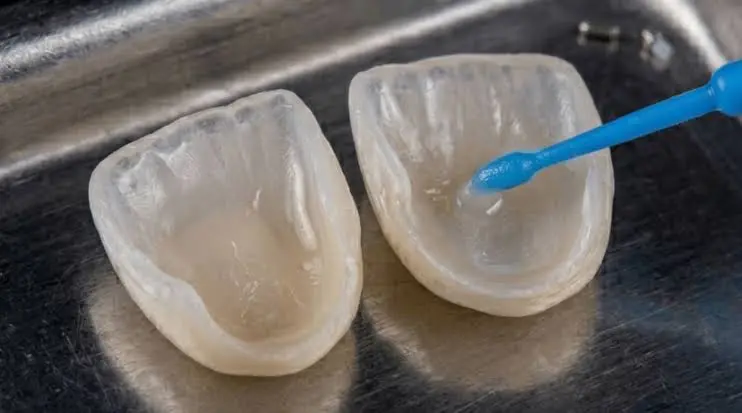
Porcelain, a type of dental ceramic, has long been admired for how closely it mimics enamel. It reflects and transmits light in a lifelike way, which makes it a favourite for front teeth and veneers. It also resists staining well, so red wine and black tea tend to leave less of a mark than they would on natural teeth.
The trade-off is that some porcelains can chip under heavy force. People who clench or grind may need a protective night guard.
Zirconia for Strength
Zirconia is an extremely tough ceramic, often chosen for back teeth that take the brunt of chewing. It resists cracking and can be milled in thin sections while staying strong. Newer versions are more translucent than earlier generations, making them increasingly popular for visible teeth too.
Zirconia is also a common choice for crowns placed on implants. Clinics providing dental implants Melbourne that patients rely on frequently pair titanium posts with zirconia crowns because of the durability.
Composite for Flexibility
Composite resin is a tooth-coloured material applied directly to the tooth and shaped by hand. It suits small chips, gaps and fillings. Treatment is usually quicker and more affordable than ceramic, and often requires little or no removal of healthy tooth structure.
Composite is also easy to repair or add to later. On the downside, it can pick up stains over time and may need polishing or replacing sooner than porcelain.
Matching Material to Habits
Think honestly about how you live. Heavy coffee drinkers who want a long-lasting bright result may lean towards porcelain. Contact sport players and people who grind their teeth often benefit from the toughness of zirconia, alongside a mouthguard. Younger patients who expect their smile to change, or anyone wanting a gentle first step, might start with composite.
Budget and timeline matter here as well. Composite can often be completed in one visit, while ceramic work may involve a lab and a second appointment.
Questions Worth Asking
During a consultation, ask your dentist why they recommend a particular material for each tooth. Find out how long it typically lasts, how it should be cleaned and what happens if it chips. Ask to see examples of each on real patients, with their consent, so you can judge the look for yourself.
A clear explanation helps you feel comfortable with the plan and confident about caring for your new teeth.
The Right Fit for You
There is no single best material. Each one shines in different situations, and many mouths end up with a thoughtful combination. By sharing honest details about your routine, you give your dentist the information needed to choose materials that look great and keep performing for years. The best restoration is the one that slots comfortably into the life you already lead.
Also Read
- why-quality-construction-materials-are-worth-the-investment/
- smarter-commercial-construction-planning-for-successful-project-delivery/
- the-importance-of-fleet-management-for-roofing-companies/