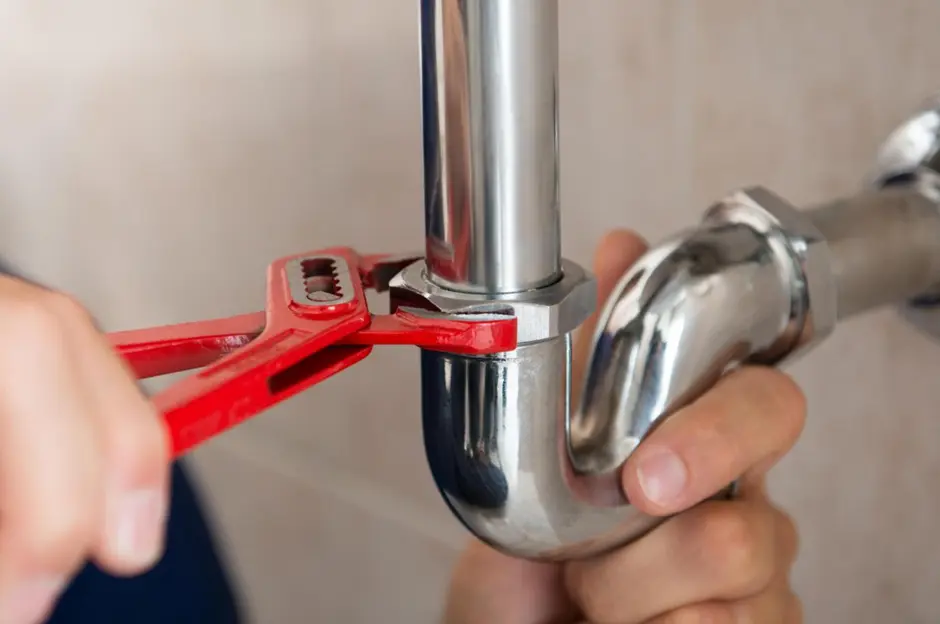
Plumbing issues have a way of showing up at the worst possible moments. A small drip under the
sink or a slow drain might not look serious today. Left unchecked, those tiny warnings turn into cracked pipes, massive leaks, and thousands in water damage.
The good news is that avoiding a massive bill comes down to basic home maintenance and smart habits. Taking proactive steps now protects your property and saves your hard-earned money.
Continue reading to discover everything you need to know!
Regulate Water Pressure to Protect Pipes
High water pressure feels great in the shower, but it tears up your plumbing infrastructure. Excessive pressure stresses joints, valves, and inner pipe walls continuously. Over time, this constant force causes sudden pipe bursts or pinhole leaks.
Installing a water pressure gauge helps you monitor standard household levels. Local San Diego plumbing experts can install a regulator to keep pressure in a safe zone. Lowering excessive pressure stops unnecessary wear and keeps pipes intact longer.
Guard Your Drains Against Clogs
Drain lines are not designed to double as trash disposal channels. Dropping grease, oil, coffee grounds, and heavy food scraps down the kitchen sink causes thick build-up inside drain lines.
Using protective drain covers traps hair, soap scum, and debris before it slides down. Catching waste early prevents severe blockages deep within the main sewer line. Clearing a removable cover takes five seconds, while clearing a mainline backup takes a dedicated service call.
Catch Fixture Leaks Before They Escalate
A running toilet or a constantly dripping faucet seems like a minor annoyance, but the wasted water adds up fast. A simple faucet drip wasting one drop per second wastes thousands of gallons of water every year.
Check under cabinets regularly for wet spots or pooling water around supply lines. Inspecting angle stops for signs of corrosion is vital because these valves control water flow, and corroded valves risk sudden ruptures. Fixing a loose connection or replacing a worn washer takes minutes and costs pennies compared to replacing water-logged cabinetry.
Maintain Your Water Heater
Water heaters run constantly to provide hot water, making regular maintenance necessary. Sediment, mineral deposits, and worn components build up inside the tank over time. This buildup lowers energy efficiency and shortens the operational lifespan of the entire system.
Flushing the water heater tank once a year removes heavy sediment accumulation. Replacing the sacrificial anode rod when it wears down prevents the inner steel wall from corroding. Taking care of the heater ensures reliable hot water and delays expensive unit replacements.
Inspect Exposed Piping During Cold Weather
Cold snaps pose a serious threat to plumbing lines running through unheated spaces. Pipes located in basements, attics, and exterior walls face extreme exposure to cold air. When water freezes inside a pipe, it expands, placing massive force against the pipe walls until it snaps.
Wrapping exposed pipes with foam insulation sleeves shields them from sudden temperature drops. Leaving cabinet doors open during severe cold spells lets warm home air circulate through hidden pipes. Securing exposed lines eliminates the risk of frozen pipe bursts and massive indoor flooding.
Safeguarding Your Home Plumbing System
Staying on top of routine checks keeps your home running smoothly year-round. Simple preventative habits protect your monthly budget and stop minor issues from snowballing. Investing a little time into basic home care offers complete peace of mind.
Check out the rest of our articles today!
Also Read
- What high payouts and instant withdrawals reveal about online gambling culture
- 168+ Baker Puns That Are Freshly Baked & Ready to Rise 🍰
- Porcelain, Zirconia or Composite: Which Material Suits Your Lifestyle?









1 thought on “How to Prevent Costly Home Plumbing Repairs”